4 Reasons Behind a Sagging Roof
May 6, 2021
Have you recently checked your roof and noticed that it is sagging? A dip or curve in a roofline is common as a roof ages, and there are several reasons it happens. In this post, roofing contractors from Lankford Roofing & Construction explain the main causes of a sagging roof, the warning signs to watch for, and what to do about it.
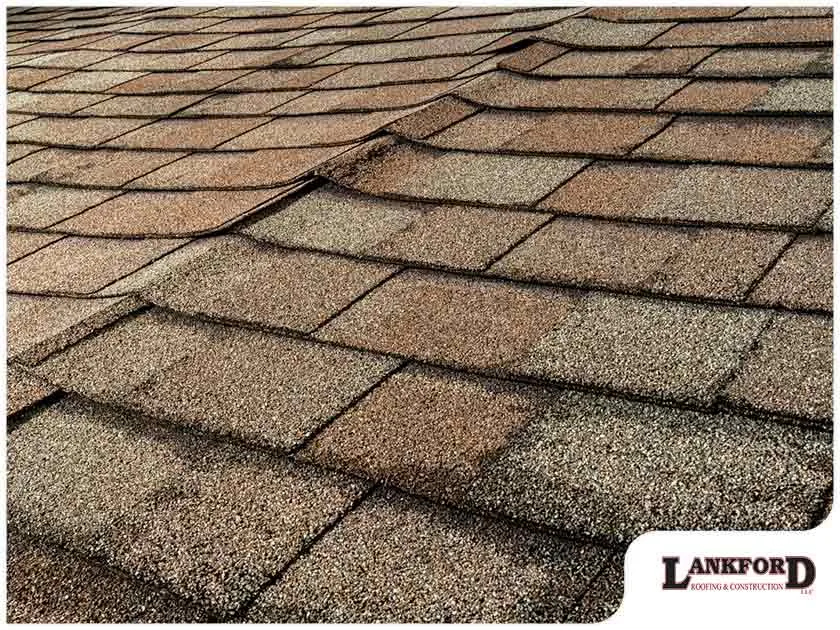
Why Is My Roof Sagging?
A roof sags when something below the shingles loses strength: too much weight on the structure, water that has weakened the wood, or framing that is undersized, damaged, or worn out with age. A sagging roof is rarely just cosmetic. It is a sign the supporting structure is under stress, and the dip tends to grow until the cause is fixed.
The Main Causes of a Sagging Roof
Here are the four reasons a roofline starts to dip, and what each one tells you about the condition of the structure underneath.
1. Water Damage
It is important to monitor how rainwater and snowmelt drain from your roof. Improper drainage lets water seep through small imperfections and soak into the decking and framing. Trapped moisture, along with the mold and mildew that follow, weakens the wood and lets it bow under the weight it used to carry easily. Having a licensed roofer inspect for water damage every few years catches this early, before the wood is too far gone.
2. Excess Weight
Your roof is built to carry a specific load. When it carries more than that for an extended period, the structure starts to give and the roofline dips. Weight-related sagging is usually caused by heavy snow and ice, or by too many layers of shingles stacked on the deck over the years.
For heavy snow removal, it is best to call roofing contractors rather than do it yourself, since incorrect removal can damage the surface and the structure. Keeping your attic insulated and well ventilated helps prevent ice dams, which trap meltwater and add weight where it does the most harm. If your roof has been re-covered more than once, switching to a single layer of lighter, suitable material at the next replacement takes a real load off the frame.
3. Flawed Joints and Rafters
The joints, rafters, and trusses are the skeleton of your roof, and they carry everything above them. Undersized rafters, insufficient sheathing, or joints that were not built correctly the first time will eventually show as a sag. Damage from a leak, pests, or an old repair gone wrong can do the same. These structural issues are not something to watch and wait on, since a weakened frame only gets weaker. Have a qualified roofer assess the joints and rafters whenever you notice movement in the roofline.
4. Old Age
Every roof has a lifespan, and the structure beneath the shingles ages along with the surface. Decking that has weathered decades of heat, moisture, and temperature swings loses stiffness, and the roof begins to settle into a dip. With proper maintenance a well-built roof can serve you for decades, but at the end of its life a sag is often the structure telling you it is time for a replacement.
Warning Signs to Watch For
You do not always have to be on the roof to catch a problem early. Look for these signs from the ground and inside the home:
- A visible dip, curve, or wave along the ridge or roofline
- Cracks in interior walls or ceilings, especially near the top of the wall
- Doors or windows that suddenly stick or will not close cleanly
- Water stains, sagging spots, or daylight visible in the attic
- Gaps where the roof meets the chimney, walls, or fascia
- Pooling water or a section of shingles that sits lower than the rest
If you notice any of these, it is worth having the roof looked at sooner rather than later. A small sag caught early is a manageable repair, while one left alone can turn into a structural job.
What to Do About a Sagging Roof
A sagging roof is not a do-it-yourself fix, because the right repair depends on the cause hidden under the shingles. A professional inspection identifies whether you are dealing with water damage, overloading, structural weakness, or age, then matches the repair to it. Catching it early often means a targeted repair to the decking, framing, or drainage, while the same problem left long enough can require a full roof replacement. The sooner the structure is assessed, the more options you have and the lower the cost tends to be.
Frequently Asked Questions
Is a sagging roof an emergency? A minor, slow-developing sag is usually not an immediate emergency, but it should be inspected promptly since it points to a structural problem that will worsen over time. A sudden or pronounced sag, especially after a storm or heavy snow, should be treated as urgent and kept clear of until a roofer assesses it.
Can a sagging roof be repaired, or does it need replacing? It depends on the cause and how far it has progressed. A sag caught early from a localized issue can often be repaired by reinforcing or replacing the affected decking and framing. A roof that is sagging due to widespread water damage or old age is more likely to need replacement.
How much does it cost to fix a sagging roof? Cost varies widely depending on the cause, the size of the affected area, and how much of the structure needs work. A small drainage or framing repair sits at the lower end, while a sag tied to rot or age across the roof can mean a larger structural job. The only way to get an accurate figure is a professional inspection.
For residential roof repair and replacement, Lankford Roofing & Construction has you covered. We have served local homeowners since 1937. Call us at 903-465-7677 or (580) 920-1433, or fill out our contact form to set an appointment. We serve homeowners in Texas, including Denison and Sherman, TX.
More roofing guides
Roof question we did not cover?
Talk to a real roofer. Free assessment across the Texoma region.