Composition of Asphalt Shingles: 6 Roof System Parts
December 17, 2020
A complete asphalt shingle roof is not a single product. It is a layered system, and each layer has a specific job. When the components are installed in the right order, they shed water, resist wind, breathe properly, and protect the structure for decades. When one layer is skipped or cut short, the whole roof is weaker than it looks. Understanding the parts that make up your roof makes maintenance and replacement decisions far easier.
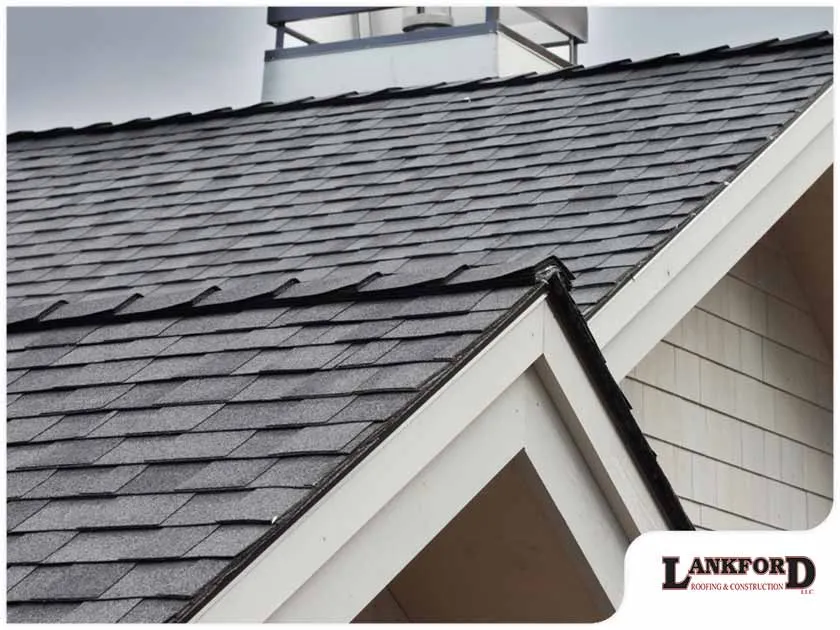
What Are the Components of an Asphalt Shingle Roof System?
A complete asphalt shingle roofing system is built from six core parts working as one: the roof deck, the underlayment, the starter strip, the asphalt shingles, the flashing (including ice and water barriers), and the hip and ridge cap, all supported by proper attic ventilation. Each layer goes on in sequence, from the deck up, and each one depends on the layer below it being installed correctly first.
The 6 Core Components of an Asphalt Shingle Roof
Here is what each part does and why it matters to the performance of the system as a whole.
- Roof deck (decking). The deck is the structural foundation of the roof, usually plywood or OSB fastened to the rafters or trusses. Every other layer is attached to it, so it has to be sound, dry, and free of rot before any new roof goes on. During a tear-off, a good crew inspects the deck and replaces any soft or water-damaged boards before moving up to the next layer.
- Underlayment. This is the secondary water barrier that sits directly on the deck, beneath the shingles. No shingle layer is perfectly sealed, so water that slips past a lifted shingle or a wind-driven gap lands on the underlayment, not on the wood. It keeps the decking and framing dry and stable, and on most modern roofs it is a lightweight, tear-resistant synthetic product.
- Starter strip. The starter strip is the first row of sealant along the eaves and rakes. It bonds the first course of shingles down and provides the seal that protects the roof edges from blow-offs and water infiltration, which are two of the most common failure points in a wind-driven storm. A roof installed without a proper starter course is far more likely to lose shingles along the edges.
- Asphalt shingles. The shingles are the visible outer layer that takes the brunt of the sun, wind, rain, and hail. Most asphalt shingles have a fiberglass base mat coated with protective mineral granules for weather resistance. Because they are also one of your home’s most visible design elements, the color and style should complement the architecture and boost curb appeal.
- Flashing and ice and water barriers. Flashing protects the most leak-prone areas of the roof, where two planes meet or where something penetrates the surface. That includes the valleys, the areas around dormers and skylights, and any protrusion like a chimney or vent pipe. Ice and water barriers add a self-sealing membrane in these vulnerable spots so water cannot work its way under the shingles.
- Hip and ridge cap. While the starter strip seals the base of the roof, the hip and ridge cap finishes the top. These thicker, purpose-made shingles cap the peaks and hips where two roof planes meet, sealing those seams against rain while giving the roof a clean, finished line along the top.
Why Attic Ventilation Holds the System Together
Attic ventilation is the component homeowners forget, but it protects everything above it. A balanced intake-and-exhaust system lets hot, moist air escape the attic instead of building up under the deck. Without it, trapped heat and moisture can warp the decking, age the shingles prematurely from below, and feed mold growth in the attic. Proper ventilation is part of what lets the rest of the roof reach its full service life, which is why it is treated as part of the system and not an optional extra.
Why the System Matters More Than Any Single Part
The reason roofers talk about a roofing “system” rather than just “shingles” is that no single layer protects your home on its own. Shingles without sound decking have nothing solid to anchor to. Underlayment without flashing still leaves the valleys and penetrations exposed. A quality roof replacement addresses every layer in the correct order so the finished roof is sound from the deck up, not just attractive on the surface.
Frequently Asked Questions
What is the most important part of a roof system? There is no single most important part, because the layers depend on one another. That said, the deck and the underlayment do the quiet work of keeping water out and giving everything else a stable base, so problems there tend to be the most damaging if they are ignored.
Can you replace just the shingles and leave the other layers? Sometimes, but it is usually a shortcut. On a full re-roof the shingles, underlayment, and flashing are typically removed together so the crew can inspect the deck and start fresh. Reusing tired layers under new shingles often hides exactly the problems an inspection is meant to find.
How long does a complete asphalt shingle roof last? With quality materials, correct installation of every layer, and proper attic ventilation, a well-built asphalt shingle roof commonly lasts 20 to 30 years. Skipping or shortcutting a component is one of the surest ways to cut that lifespan short.
Need a complete roofing system installed the right way, layer by layer? Trust Lankford Roofing & Construction LLC. We have served local homeowners since 1937. For a free estimate, call us at (903) 465-7677 or (580) 920-1433, or fill out our contact form. We proudly serve Sherman and Denison, TX, and the surrounding communities in Texas and Oklahoma.
More roofing guides
Roof question we did not cover?
Talk to a real roofer. Free assessment across the Texoma region.