Why Should You Replace Old Underlayment?
October 26, 2020
Your roof is one of the largest investments you will make in your home, and the underlayment is the layer that quietly keeps the rest of it dry. When you replace a roof, the old underlayment should come off and a fresh layer should go down with it. Reusing aging felt under new shingles is one of the most common shortcuts in the trade, and it is one that can cost you a warranty and a sound roof deck.
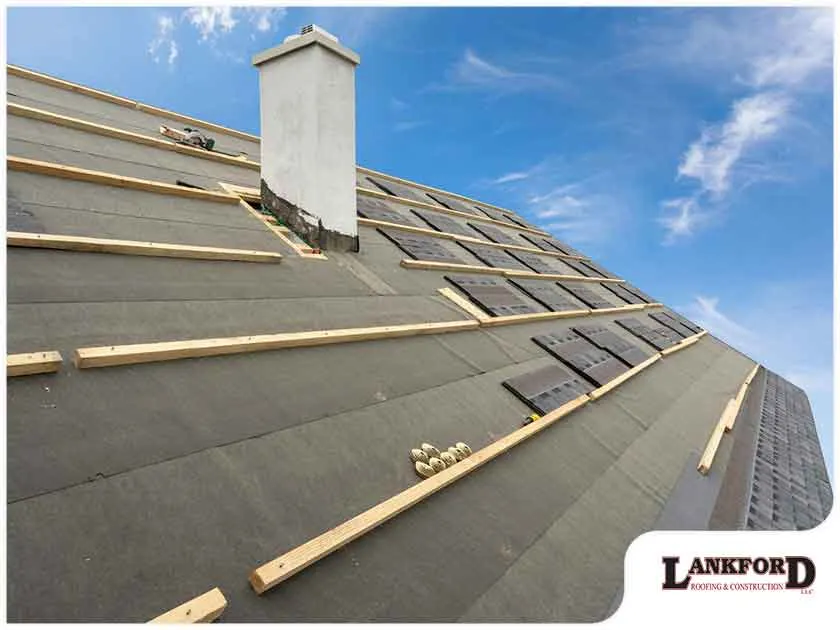
Should You Replace Roofing Underlayment When You Re-Roof?
Yes. In almost every full roof replacement, the underlayment should be torn off and replaced along with the shingles. The underlayment is your roof’s secondary water barrier, and a barrier that has spent years under hot shingles has already given most of its service life. New shingles over tired underlayment is a roof that looks finished but is not protected the way it should be.
How Important Is the Roofing Underlayment?
Your shingles take the brunt of the sun, wind, and rain, but no shingle layer is perfectly sealed. Water that gets past a lifted shingle, a failed flashing, or a wind-driven gap lands on the underlayment, not on the wood deck. The underlayment provides a continuous second layer of protection that keeps the decking and framing stable and free from rot. For that second layer to do its job, it has to be installed correctly by a qualified roofer, with the right fasteners, proper overlaps, and sealed seams.
Signs Your Underlayment Needs Replacing
You rarely see the underlayment directly, so it is usually judged during a roof inspection or a tear-off. Replace it when you notice any of the following:
- Active or past leaks - water stains on the ceiling or in the attic mean the underlayment has already been breached.
- The roof is being replaced anyway - if the shingles are coming off, the underlayment goes with them.
- Age - felt underlayment installed 15 to 20 or more years ago is near or past the end of its life.
- Storm or hail damage - North Texas hail that bruises shingles can compromise the layer beneath them.
- Granule loss and brittle shingles - heavily worn shingles often sit over underlayment that is just as worn.
- Visible curling, tearing, or wrinkling of the existing felt exposed during a repair.
Types of Roofing Underlayment
A roofer may recommend one of three main types depending on your roof system and budget:
- Asphalt-saturated felt - the traditional, lower-cost option. It is more rigid and adds some impact resistance, but it is heavier and less tear-resistant than newer products.
- Rubberized asphalt - a flexible, fully waterproof membrane that handles temperature extremes well. It is often used in valleys and along eaves where water tends to collect.
- Synthetic underlayment - today’s most common choice. It is lightweight, strong, tear-resistant, and many products are breathable so trapped moisture can escape the deck rather than sit on it.
Why You Should Not Lay New Underlayment Over Old
When you hire roofing contractors for this work, make sure they remove the old layer rather than cover it. Leaving the old felt on and placing a new layer over it hides exactly the problems an inspection is meant to find, such as rotting wood, mold, or mildew on the deck. It also makes the new roof harder to inspect and seat properly. Just as important, most shingle manufacturers require a single, correctly installed layer of underlayment, so covering old with new can violate the installation instructions and void your warranty.
What Underlayment Replacement Involves
On a typical re-roof, the crew removes the old shingles and underlayment down to the deck, inspects and repairs any damaged decking, then installs the new underlayment with proper overlaps and sealed seams before the new shingles go on. Doing it in this order is what lets the contractor catch hidden deck damage and give you a roof that is sound from the deck up, not just on the surface.
Frequently Asked Questions
Does replacing underlayment add much to a roof replacement cost? The underlayment itself is a modest part of the total, and the labor is already happening during the tear-off. What affects cost most is the underlayment type you choose, the roof size and pitch, and any decking repairs found once the old layers are removed.
Can you replace underlayment without removing the shingles? Not properly. The underlayment sits beneath the shingles, so reaching it means removing the shingles above it, which is why it is replaced as part of a re-roof rather than on its own.
How long does roofing underlayment last? It depends on the type and the conditions, but underlayment is designed to last the life of the roof system it is installed under. When the shingles reach the end of their life, the underlayment usually has too.
Looking for a contractor to replace your old underlayment the right way? Trust Lankford Roofing & Construction LLC. We have served local homeowners since 1937. For a free estimate, call us at (903) 465-7677 or (580) 920-1433, or fill out our contact form. We serve Sherman and Denison, TX, and the surrounding communities in Texas and Oklahoma.
More roofing guides
Roof question we did not cover?
Talk to a real roofer. Free assessment across the Texoma region.