A Quick Guide to Standing Seam Metal Roofing Profiles
July 2, 2021
Standing seam metal roofing is known as the gold standard in metal roofing projects. They are high quality, cost-effective and low maintenance, and it comes in different profiles.
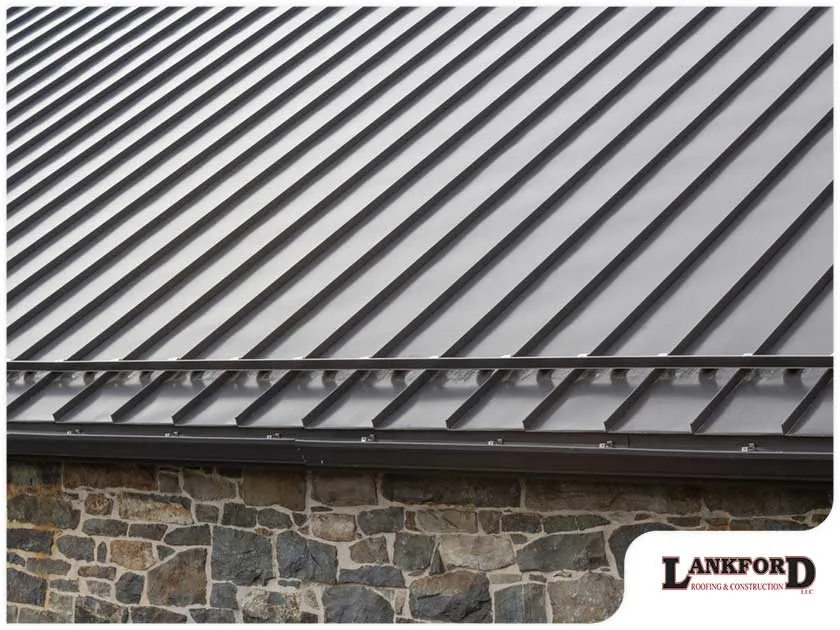
Standing Seam Metal Roofing
The standing seam metal roofing is a concealed fastener roofing system that features vertical or trapezoidal legs with a flat space in between these. It’s designed with a concealed fastener to protect against harmful elements. The panels are attached to the roof deck with clamps so there are no holes from nails. This decreases the chance of moisture or water seeping through.
Common Standing Seam Metal Roof Profiles
- Snap-lock Profile
The snap-lock profile is popular among roof repair contractors for standing seam roofs. This profile does not require any special tools to join the seams. Instead, it is roll-formed with one male attachment on one edge and a female attachment on the opposite edge. The panels are usually attached to the roof deck by a separate snap-lock clip.
- Mechanical Lock Profile
Mechanical lock panels are fastened to the roof deck using a mechanical lock clip to secure the male edge to the roof. The mechanical locks come in two different styles. First is the 90-degree seams, also known as single locks, which mean there is only a fold in the metal seam. The second one is the 180-degree seams, also called double locks, which mean the metal seam is folded and crimped twice. For the mechanical lock profile, you need to use expansion clips to accommodate the metal’s natural expansion and contraction.
- Batten Panel Profile
Meanwhile, standing seam batten panels are more traditional. This profile has metal panels that come together at a fixed point where they are fastened and seamed together. They are designed to look like batten roof style. Unlike the other profiles, batten panels do not have male or female edges. Both panels have perpendicular legs that are brought together and fastened with a clip.
How to choose a standing seam profile for your roof
The right profile depends on your roof’s pitch, its exposure to wind, and how you want the finished roof to look.
- Roof slope. Panel makers list a minimum slope for each profile. Mechanically seamed panels are generally the pick for low slopes, while snap-lock panels suit steeper home roofs.
- Wind. A double-lock seam holds tighter under uplift, which is why it is common on large, open buildings.
- Flatness. Wide, flat pans can show a slight waviness called oil canning. Narrower panels, or panels with light ribs, hide it better.
- Clips. Long panels grow and shrink through a hot Texas day, so clips that let them move are often used on long runs.
Ask your roofer which profile they recommend for your pitch and why. Lankford fabricates standing seam panels on its own equipment; see our standing seam metal roofs page or our commercial standing seam page.
Looking for a professional roofing or window replacement contractor? Contact Lankford Roofing & Construction LLC at (903) 465-7677, or fill out our contact form to schedule an appointment. We proudly serve clients in Texas, including Denison and Sherman.
More roofing guides
Roof question we did not cover?
Talk to a real roofer. Free assessment across the Texoma region.